
Start With a Clear Plan and a Realistic Budget
Customizing your vehicle can be exciting, but it can also become expensive fast when there is no plan in place. Many drivers start with one small upgrade, then quickly discover that one change affects another part of the vehicle. A new look may require additional hardware. A performance upgrade may require supporting repairs. A comfort improvement may reveal old wear that needs attention first. The best way to avoid overspending is to decide what matters most before buying anything.
Think about how the vehicle is used every week. A daily driver needs reliability, comfort, safety, and reasonable maintenance costs. A weekend project can take more risks with appearance or performance upgrades. A work vehicle may need practical improvements that improve durability. A trail-ready build may need stronger suspension, better ground clearance, and protective accessories. When the goal is clear, each purchase becomes easier to judge.
A smart budget should include parts, labor, tools, unexpected repairs, and future maintenance. It is also helpful to break the project into phases. Instead of trying to complete every upgrade at once, plan the most important changes first and leave room to adjust as you learn more about the vehicle. This approach keeps the project manageable, reduces waste, and helps create a finished result that looks good, drives well, and stays within your financial comfort zone.
Define Your Goals Before Buying Any Parts

Before spending money, decide what kind of build makes sense for your lifestyle. Some drivers want a cleaner appearance, some want better handling, and others want a more capable off-road setup. The right direction depends on how the vehicle is driven, where it is driven, and how much time and money can realistically go into the project. Without this step, car modifications can become scattered, expensive, and less effective than expected.
Start by writing down the main purpose of the project. Is the goal to make the vehicle look more aggressive? Improve comfort? Add performance? Restore worn areas? Make weekend trips easier? Once the main goal is clear, divide possible upgrades into “must-have,” “nice-to-have,” and “later” categories. This simple list helps prevent impulse purchases, especially when parts are on sale or trending online.
Compatibility should also guide every decision. A part that looks right may not fit properly, work with the current setup, or support future changes. For example, lift kits can improve clearance and appearance, but they may also affect ride quality, alignment, steering geometry, and tire fitment. Before choosing one, research how much lift is appropriate, what supporting parts may be required, and whether professional installation is recommended.
It is also wise to think about insurance, inspections, local laws, and resale value. Some changes may look impressive but create problems later. A budget-friendly build is not just about spending less today. It is about avoiding expensive corrections tomorrow. Planning the full path before ordering parts helps each upgrade support the next one.
Shop Smarter to Stretch Your Budget
One of the easiest ways to control costs is to shop carefully instead of buying the first available option. New parts can be convenient, but they are not always necessary for every project. Depending on the upgrade, used auto parts may offer solid value when they are inspected properly and purchased from a reliable source. This is especially helpful for trim pieces, mirrors, interior components, wheels, brackets, panels, and other non-critical items.
The key is knowing what should and should not be purchased secondhand. Cosmetic parts are often safer used than critical safety or performance components. Anything tied to braking, steering, suspension, airbags, or major electronics should be evaluated very carefully. Saving money is not worth creating a safety issue. When in doubt, ask a trusted mechanic whether a used part is a smart choice for that specific repair or upgrade.
A scrap yard can also be useful for budget builds, especially when working on older vehicles. It may be possible to find original parts, small hardware, replacement panels, or interior pieces that are hard to locate elsewhere. Bring basic tools, take measurements, compare part numbers, and inspect everything for cracks, rust, broken clips, missing tabs, or signs of previous damage.
Shopping smart also means comparing total cost, not just purchase price. A cheaper part that needs repair, paint, missing hardware, or special installation may end up costing more than a better option. Look at return policies, warranties, shipping costs, and seller reputation. Taking extra time during the buying stage can save hundreds of dollars across a full build.
Invest in Upgrades That Deliver the Greatest Value
Budget customization should start with the areas that affect safety, drivability, and long-term use. Visual upgrades are fun, but a vehicle that shakes, pulls, leaks, overheats, or struggles to start will not feel enjoyable for long. In many cases, the best first investment is fixing weak points before adding new features. A reliable foundation makes every later upgrade more worthwhile.
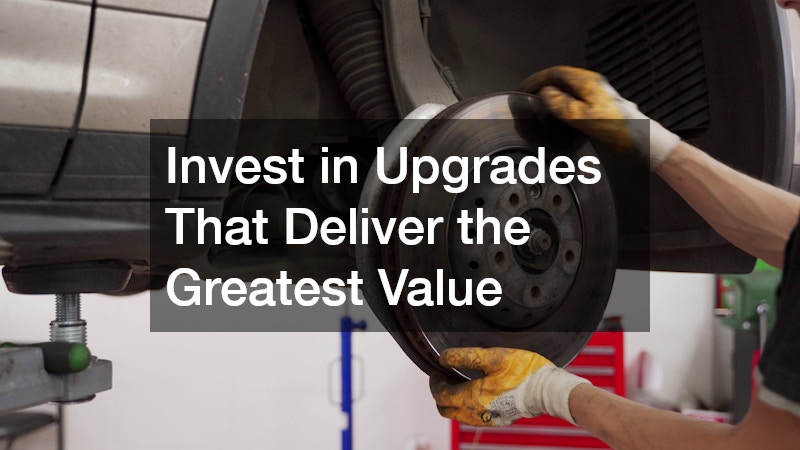
Start with basic inspections. Check brakes, suspension, fluids, belts, hoses, lights, battery health, and tires. Worn tires can affect handling, braking, fuel economy, and ride comfort. Upgrading them may not feel as exciting as adding new accessories, but it can completely change how the vehicle feels on the road. Choosing the right set depends on driving conditions, weather, road surfaces, and the type of build being planned. Regular inspections also help catch small issues early, preventing costly repairs and ensuring the vehicle remains safe and reliable over time.
Major mechanical decisions should be made carefully. An engine replacement may make sense for a vehicle with a strong body, good frame, and long-term value, but it is rarely a casual upgrade. It can involve labor, mounts, wiring, cooling components, fluids, sensors, and possible tuning. Before committing, compare the cost with other options, such as repairing the existing unit or choosing a different vehicle as the base for the project.
Value does not always mean the cheapest option. It means the upgrade solves a real problem, supports the purpose of the build, and lasts long enough to justify the cost. Spend more where failure would be dangerous or expensive. Spend less on items that are easy to replace later. This balance helps keep the project affordable without cutting corners that matter.
Improve Appearance Without Overspending
A vehicle does not need a full makeover to look noticeably better. Small, well-chosen appearance upgrades can make a big difference when they are clean, consistent, and properly installed. Start by identifying the areas that make the vehicle look older than it is. Faded trim, scratched wheels, cloudy lights, worn badges, chipped panels, and tired interior pieces can all drag down the overall appearance.
Refreshing existing parts is often cheaper than replacing them. A powder coating service can give wheels, brackets, bumpers, or metal accessories a cleaner and more durable finish. This can be a cost-effective way to create a custom look without buying all-new parts. Before choosing a finish, think about the vehicle’s color, trim, wheel design, and long-term maintenance. A simple finish that matches the rest of the build often looks better than a bold choice that clashes.
Professional help is worth considering for paint, panel repair, and larger cosmetic work. Auto body shops can provide estimates for dents, scratches, refinishing, alignment of panels, and other appearance-related repairs. Getting multiple quotes helps you understand the real price range and avoid overpaying. Be clear about whether you want a perfect show-quality result or a practical improvement for a daily driver.
DIY projects can also help stretch the budget. Cleaning, polishing, replacing small trim pieces, restoring lights, and installing simple accessories can be done at home with patience and the right instructions. The goal is not to do everything yourself. The goal is to know which jobs are simple enough to save money on and which jobs deserve professional results.
Upgrade Performance One Step at a Time
Performance upgrades work best when they are planned in the right order. Adding power or changing how a vehicle drives can create stress on other systems. A budget build should avoid random upgrades that make the vehicle harder to maintain or less reliable. Instead, each change should support the next step and match the overall goal of the project.
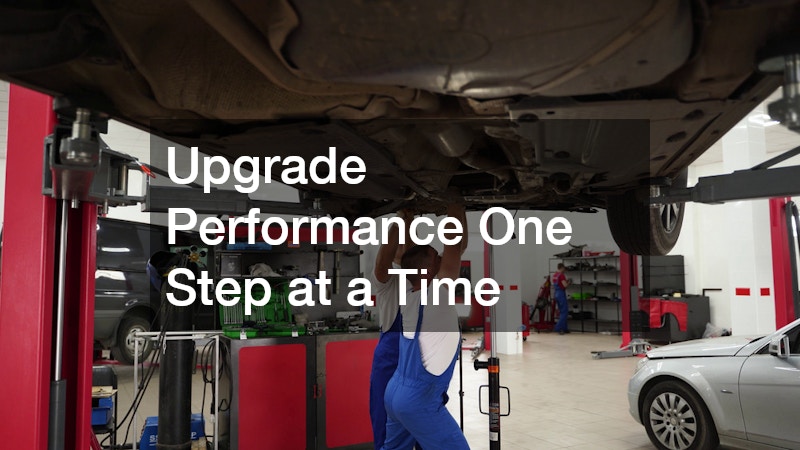
Begin with maintenance. Fresh fluids, clean filters, healthy ignition components, proper alignment, and repaired leaks can make a vehicle feel stronger before any major upgrades are added. From there, choose car modifications that fit the vehicle’s current condition. Better suspension, improved braking, lighter wheels, or upgraded cooling may provide more noticeable benefits than chasing power immediately.
Transmission rebuilds should be considered when shifting problems, slipping, rough engagement, or internal wear begin affecting drivability. For some builds, strengthening the transmission before adding power can prevent bigger problems later. This is especially important for vehicles used for towing, racing, off-road driving, or high-mileage daily use. A rebuild can be expensive, so it should be planned carefully and handled by a qualified shop.
Avoid stacking upgrades without understanding how they work together. A part that improves one area may create stress somewhere else. More power may require better cooling. Bigger wheels may affect braking and acceleration. Suspension changes may require alignment correction. Taking one step at a time gives you a chance to test the vehicle, adjust the plan, and avoid paying twice to fix mistakes, while also helping you identify issues early and maintain overall balance in performance.
Protect Your Investment After the Build
Once money has been spent on a custom project, maintenance becomes even more important. A customized vehicle may need more attention than a stock one because parts have been changed, upgraded, adjusted, or added over time. Protecting the investment means keeping records, checking wear items, and fixing small issues before they damage other components.
Visibility and safety should stay near the top of the list. Windshield replacement may be necessary when cracks, chips, or damage interfere with the driver’s view or weaken the glass. Even if the rest of the vehicle looks great, poor visibility can make it unsafe and may create inspection problems. Addressing glass damage early helps keep the vehicle road-ready and protects the overall quality of the build.
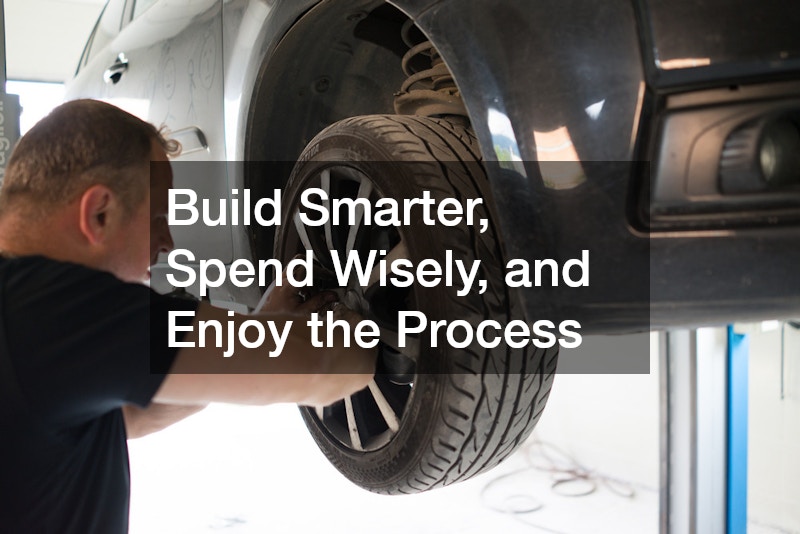
Regular inspections are also important for tires, especially if the vehicle has suspension changes, larger wheels, or a different stance. Uneven wear can signal alignment issues, improper pressure, worn suspension parts, or poor fitment. Checking tread depth, rotation schedules, and pressure can extend tire life and improve handling. This is one of the simplest ways to protect both safety and budget.
Keep a folder with receipts, part numbers, installation notes, warranty details, alignment records, and maintenance history. This helps with future repairs and can also support resale value. A well-documented build shows that the work was planned, maintained, and cared for. Customization should not end when the parts are installed. The best results come from ongoing care.
Build Smarter, Spend Wisely, and Enjoy the Process
Customizing a vehicle on a budget is not about choosing the cheapest option every time. It is about making better decisions, working in the right order, and spending money where it matters most. A successful project starts with a clear goal, a realistic budget, and an honest understanding of the vehicle’s current condition. From there, each upgrade should improve the build without creating unnecessary problems.
The most affordable path is usually gradual. Start with repairs and maintenance, then move into appearance, comfort, capability, or performance upgrades as the budget allows. Research each part, compare options, and avoid rushing into changes that do not fit the long-term plan. When professional help is needed, get estimates and choose quality work over temporary savings.
A custom vehicle should reflect the owner’s taste, but it should also remain safe, dependable, and enjoyable to drive. With careful planning and smart spending, it is possible to create a vehicle that feels personal without draining your savings. The best build is not always the most expensive one. It is the one that fits your needs, performs well, and keeps you excited every time you get behind the wheel.