
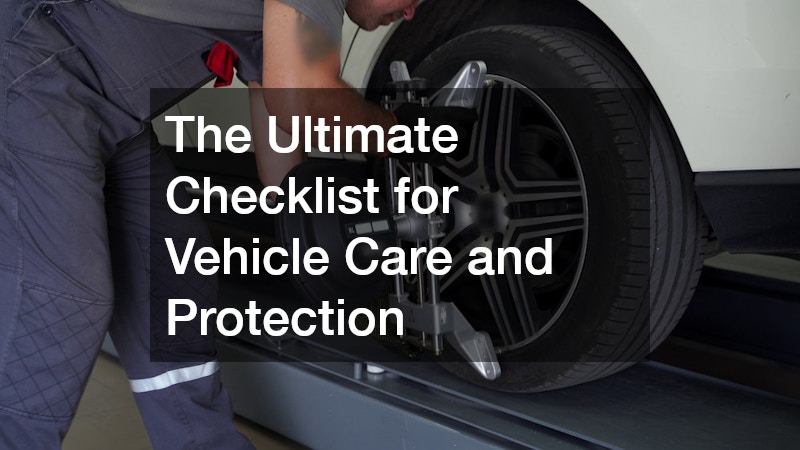
A Smarter Approach to Keeping Your Vehicle Road-Ready
Owning a vehicle comes with more responsibility than simply filling the tank and washing it once in a while. Your vehicle is one of the tools you rely on most, whether you use it for commuting, family transportation, errands, road trips, or work. When it is cared for properly, it can be safer, more dependable, more comfortable, and more valuable over time.
Many drivers wait until something goes wrong before thinking about maintenance or protection. Unfortunately, small problems can turn into expensive repairs when they are ignored. A strange sound, a small leak, a warning light, or a minor scrape may seem harmless at first, but these issues can affect safety, performance, and long-term reliability.
A smart vehicle care plan helps you stay ahead of problems. It combines regular inspections, preventive maintenance, emergency preparation, exterior protection, and a clear plan for handling accidents or breakdowns. The goal is not to make vehicle ownership complicated. The goal is to create simple habits that help you avoid surprises and make better decisions when your vehicle needs attention.
Use this checklist as a practical guide for protecting your vehicle from everyday wear, unexpected damage, and costly neglect.
Set a Monthly Routine for Basic Checks
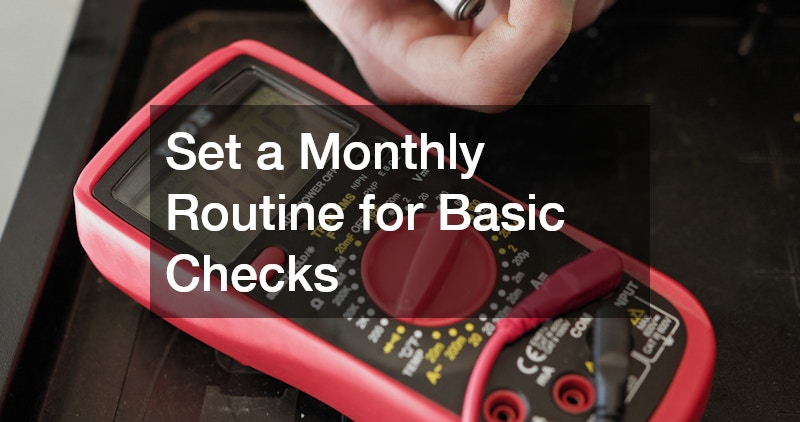
A monthly inspection is one of the easiest ways to catch problems early. You do not need advanced technical knowledge to notice when something looks, sounds, or feels different. Start by checking tire pressure, tire tread, headlights, brake lights, turn signals, windshield wipers, fluid levels, and dashboard warning lights. These simple checks can reveal issues before they affect your safety.
Walk around the vehicle and look for visible damage, leaks, uneven tire wear, or low fluid levels. Pay attention to how the vehicle starts, idles, accelerates, and handles. If you notice shaking, pulling, rough starts, or unfamiliar noises, write them down. A short note about when the issue happens can be very helpful later.
This is also a good time to review your mileage and maintenance schedule. Many owners lose track of when service was last completed, especially if they drive frequently. Keeping a notebook or digital record of oil changes, tire rotations, inspections, and repairs can help you avoid missed maintenance.
If something seems unusual or you are not sure what you are seeing, a car mechanic can inspect the issue more closely. Professional attention is especially important when a warning light appears, fluids are leaking, or the vehicle feels unsafe to drive. Early guidance can prevent minor concerns from becoming major expenses.
Take Warning Signs Seriously
Vehicles often give warning signs before a part fails completely. The key is knowing which symptoms should not be ignored. Squealing, grinding, knocking, burning smells, smoke, fluid leaks, overheating, trouble starting, or sudden changes in handling all deserve attention. Even if the vehicle still runs, continuing to drive can make the problem worse.
One of the most helpful things you can do is document the symptoms clearly. Note when the problem happens, whether the engine is hot or cold, whether it occurs at certain speeds, and whether it changes when turning, accelerating, or slowing down. This information can help a technician diagnose the issue faster.
Timely auto repair can protect surrounding parts from damage. For example, a small leak may lead to overheating, worn suspension parts can affect tires, and electrical problems may cause starting issues. Waiting too long may turn a simple repair into a larger and more expensive job.
Drivers should also trust their instincts. If a vehicle smells like fuel, loses power suddenly, vibrates heavily, or becomes difficult to steer or stop, it is better to pull over safely than continue driving. Safety should always come before convenience.
Keep Your Brakes in Top Condition
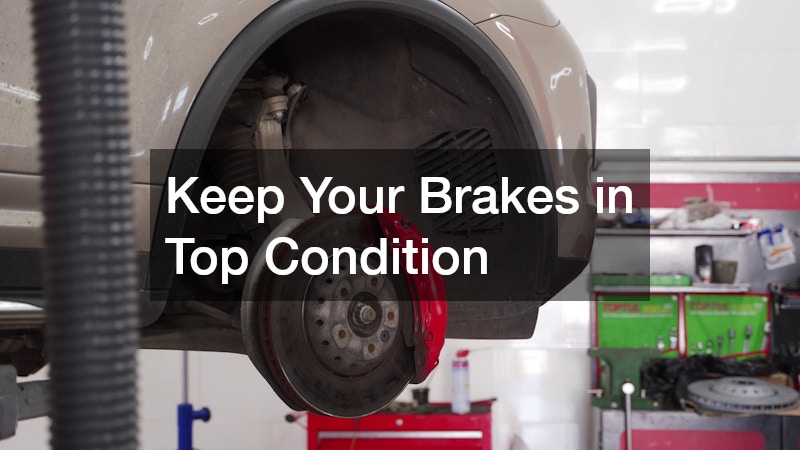
Few vehicle systems are more important than the one that helps you slow down and stop. Healthy brakes give you better control in traffic, bad weather, and emergencies. When this system begins to wear down, the warning signs may include squeaking, grinding, vibration, a soft pedal, pulling to one side, or longer stopping distances.
Do not assume every noise is harmless. Some sounds may come from normal wear, but others can signal worn pads, damaged rotors, or other problems that need attention. A grinding sound, in particular, should be addressed quickly because it may mean metal parts are rubbing together.
Driving habits affect how quickly parts wear out. Stop-and-go traffic, steep hills, heavy loads, towing, and aggressive driving can all increase wear. If you drive in these conditions often, inspections may be needed more frequently than the standard schedule suggests.
You can also extend the life of the system by driving smoothly, leaving enough following distance, and avoiding hard stops whenever possible. These habits improve safety and reduce unnecessary strain on important components.
Follow a Preventive Care Schedule
Preventive maintenance helps keep your vehicle reliable instead of forcing you to react only when something breaks. Regular auto service may include oil changes, tire rotations, filter replacements, battery testing, fluid checks, belt inspections, alignment checks, and seasonal inspections. These services may seem routine, but they play a major role in long-term performance.
Your owner’s manual is a useful starting point. It explains when certain services are recommended based on mileage and time. However, your driving conditions matter too. Short trips, extreme temperatures, dusty roads, heavy traffic, and frequent towing can all require closer attention.
Seasonal maintenance is also important. Before summer, check the cooling system, air conditioning, tires, and battery. Before winter, inspect wipers, lights, antifreeze, tire tread, and emergency supplies. A pre-trip inspection is also smart before long drives, especially if you will be far from home.
Preventive care can also support better fuel efficiency and resale value. A well-maintained vehicle is usually more dependable and easier to sell or trade. More importantly, it gives you greater confidence every time you drive.
Defend the Exterior Against Daily Damage
Your vehicle’s exterior faces constant exposure to road debris, sunlight, rain, snow, salt, bird droppings, tree sap, parking lot hazards, and careless door swings. Over time, these elements can affect appearance and value. Protecting the outside of your vehicle is not only about looks; it can also help preserve the finish and reduce future repair costs.
For drivers who want extra protection, a ppf installer can apply a clear protective film to vulnerable areas such as the hood, bumper, mirrors, door edges, and fenders. This type of protection can be especially useful for new vehicles, luxury models, highway commuters, and leased vehicles that need to stay in good condition.
Small dents should also be addressed before they become more frustrating or expensive. Dent repair may be appropriate for door dings, hail marks, and minor impact damage, depending on the location and severity. In many cases, fixing small exterior damage early can help maintain the vehicle’s appearance and resale value.
Regular washing and waxing also matter. Removing dirt, salt, and contaminants helps protect the finish. Cleaning the vehicle often gives you a chance to spot chips, scratches, rust, or damage while it is still manageable.
Make Smart Decisions After a Crash
Even a minor collision can create more damage than you can see from the outside. Bumpers, sensors, alignment, frame components, lights, and safety systems may be affected. After any crash, it is smart to have the vehicle inspected before assuming it is safe to continue driving normally.
An auto body shop can evaluate visible damage, recommend repairs, and look for issues that may not be obvious at first glance. This can include panel damage, paint damage, bumper problems, structural concerns, and alignment issues. Modern vehicles also include sensors and cameras that may need careful inspection after impact.
Professional auto collision services may include frame checks, paint matching, panel replacement, bumper repair, refinishing, and coordination with insurance providers. When choosing a repair facility, ask about warranties, estimated timelines, parts, certifications, and experience with your vehicle type.
You should also take photos after a crash whenever it is safe to do so. Capture vehicle damage, license plates, road conditions, traffic signs, and the surrounding scene. Keep repair estimates, insurance messages, and any related records organized. Good documentation can reduce confusion and help the process move more smoothly.
Prepare for Roadside Emergencies in Advance
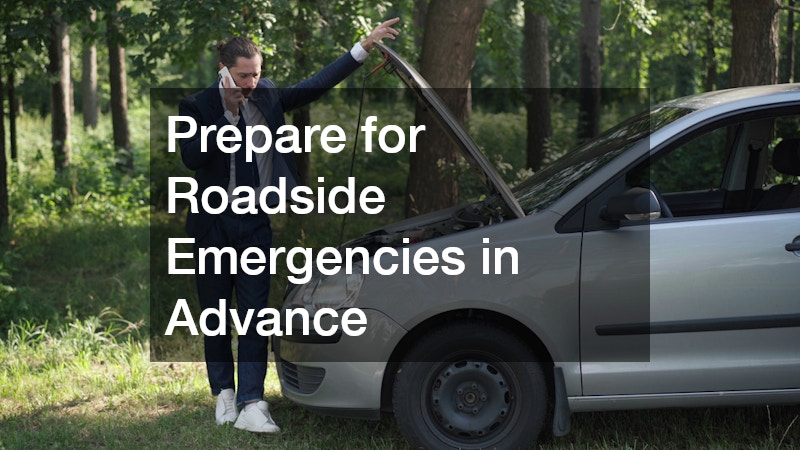
Breakdowns are stressful, especially when they happen at night, in bad weather, or far from home. A little preparation can make these moments safer and easier to manage. Every vehicle should have a basic emergency kit that includes a flashlight, phone charger, jumper cables, first-aid supplies, reflective triangles, tire inflator, water, gloves, and basic tools.
Drivers should also know what to do when a vehicle becomes unsafe to operate. Move to a safe location if possible, turn on hazard lights, stay visible, and avoid standing close to traffic. If you are on a busy road, it may be safer to remain inside the vehicle with your seatbelt fastened until help arrives.
A roadside assistance service can be valuable for flat tires, dead batteries, lockouts, towing, fuel delivery, and other common problems. Having this support in place before you need it can save time and reduce stress during an emergency.
It is also wise to keep important phone numbers and insurance information accessible. Do not rely only on memory or internet access. In some situations, your phone battery may be low, or the signal may be poor.
Keep Careful Records After a Serious Incident
A serious accident can create medical, financial, insurance, and legal concerns all at once. The first priority is always safety. Check for injuries, call emergency services, and move to a safe location if possible. Even if injuries seem minor, medical evaluation is important because some symptoms appear hours or days later.
After the immediate safety concerns are addressed, documentation becomes important. Take photos of vehicle damage, road conditions, traffic signals, skid marks, debris, license plates, and visible injuries if appropriate. Exchange information with the other driver, but avoid making statements that could be misunderstood later.
If injuries, disputed fault, uninsured drivers, or insurance complications are involved, an auto accident attorney may help explain your options and protect your rights. Legal guidance can be especially useful when medical bills, lost income, or long-term effects are part of the situation.
Keep every record connected to the incident. This may include the police report, medical records, repair estimates, rental car receipts, towing bills, witness information, and insurance communication. Organized records make it easier to answer questions and support your position if problems arise.
Build a Practical Annual Plan
A yearly vehicle plan helps you organize maintenance, repairs, protection, and budgeting. Instead of reacting to problems randomly, you can map out what your vehicle is likely to need during the year. This makes ownership more predictable and less stressful.
Start by reviewing your mileage, service history, and manufacturer recommendations. Schedule seasonal inspections and make note of upcoming items such as tires, fluids, filters, battery testing, and alignment checks. Regular auto service throughout the year can reduce the chances of unexpected breakdowns and help you spot wear before it becomes serious.
Budgeting is also important. Setting aside money for auto repair can make necessary work easier to handle when it comes up. Even well-maintained vehicles eventually need parts replaced, and planning ahead prevents routine needs from becoming financial emergencies.
At least once a year, review receipts, warranties, insurance coverage, and vehicle records. This is also a good time to decide whether your current vehicle still fits your needs. A clear annual plan helps you care for the vehicle you have while preparing for future decisions.
Drive Forward with Confidence and Control

Vehicle care works best when it becomes a consistent habit rather than a last-minute reaction. Small actions, such as checking tires, responding to warning signs, keeping records, and preparing for emergencies, can make a major difference in how safely and reliably your vehicle performs.
Protecting your vehicle also protects your time, money, and peace of mind. A well-cared-for vehicle is less likely to leave you stranded, surprise you with preventable problems, or lose value because of neglect. It also gives you more confidence whether you are driving across town or planning a long trip.
You do not need to complete every task at once. Start with the basics, create a simple schedule, and build from there. When you stay proactive, ask questions, and get professional help when needed, you can keep your vehicle safer, stronger, and better protected for years to come.