
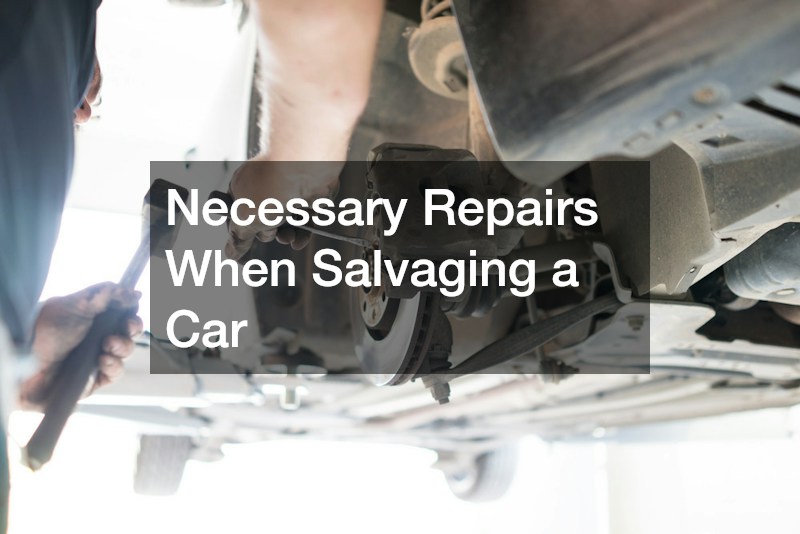
When you purchase a vehicle with a salvage title, you are stepping into a project that offers both substantial financial opportunity and considerable risk. Salvage cars are vehicles that insurance carriers have deemed a total loss, typically because the estimated cost of restoration exceeds a specific percentage of the car’s actual cash value. However, a total loss designation does not necessarily mean the vehicle is beyond saving. Many salvage vehicles suffer from localized damage, cosmetic issues, or minor mechanical failures that can be corrected with systematic, expert care. Restoring one to roadworthy condition requires a clear roadmap, technical diligence, and a practical understanding of automotive systems.
Bringing a compromised vehicle back to safe, legal operating condition demands far more than basic cosmetic touch-ups. Every fundamental component—from the structural framework and safety devices to the powertrain and braking systems—must be thoroughly inspected, diagnosed, and repaired. The process can be complex, but breaking it down into distinct areas of concern allows you to prioritize safety, budget effectively, and ensure that the finished product passes state inspections and operates reliably for miles to come.
Frame and Structural Alignment

Measuring Frame Variance Before Mechanical Work
The primary concern when evaluating a salvage vehicle is structural integrity. Unseen frame damage or structural twisting can compromise safety in future collisions and lead to rapid, abnormal tire wear. Professional technicians utilize three-dimensional laser measuring systems to compare the vehicle’s current dimensions against factory specifications. Correcting frame alignment must always occur prior to replacing suspension components or hanging sheet metal, as forcing alignment on a twisted frame creates persistent mechanical stress throughout the entire chassis.
Repairing Unibody Components and Crumple Zones
Modern vehicles utilize unibody construction where the frame and body form a single unified structure designed to absorb crash energy. When crumple zones deform during an impact, they must be pulled, straightened, or sectioned according to strict manufacturer procedures. High-strength steel sections often lose their structural temper when bent or heated, meaning damaged sections frequently require precise replacement rather than simple straightening. Ensuring these zones are restored correctly guarantees the vehicle will react safely in any subsequent impact.
Bodywork and Exterior Restoration
Addressing Panel Misalignment and Structural Dents
Once the underlying frame is verified as square, attention shifts to the outer panels, doors, hood, and trunk. Collisions often force panel edges into contact with one another, causing binding, water leaks, or wind noise at highway speeds. Technicians must align hinges, adjust latch mechanisms, and repair or replace crumpled fenders to ensure smooth operation and proper weather sealing across all door jams and glass perimeters.
Restoring Protective Exterior Finishes
Cosmetic damage and structural sheet metal fixes require comprehensive surface treatment to prevent rust and maintain resale value. After body panels are pulled, filled, and sanded smooth, the metal must be sealed with corrosion-resistant primers before applying topcoats and clear finishes. Utilizing a professional auto paint service ensures that the color match is seamless and that the cured clear coat provides long-term protection against UV exposure, moisture, and road debris.
Fixing Impact Damage on Outer Shells
Minor accidents frequently mangle bumper covers, side skirts, and quarter panels without compromising the inner mechanical components. Sourcing quality recycled or aftermarket panels helps keep costs manageable while returning the car to its original appearance. Skilled technician labor in dedicated auto body repairs can smooth out plastic bumpers, weld torn sheet metal, and align replace-on-fix panels so the exterior looks as close to factory condition as possible.
Braking and Hydraulic System Overhauls
Inspecting Rotors, Calipers, and Lines for Physical Stress
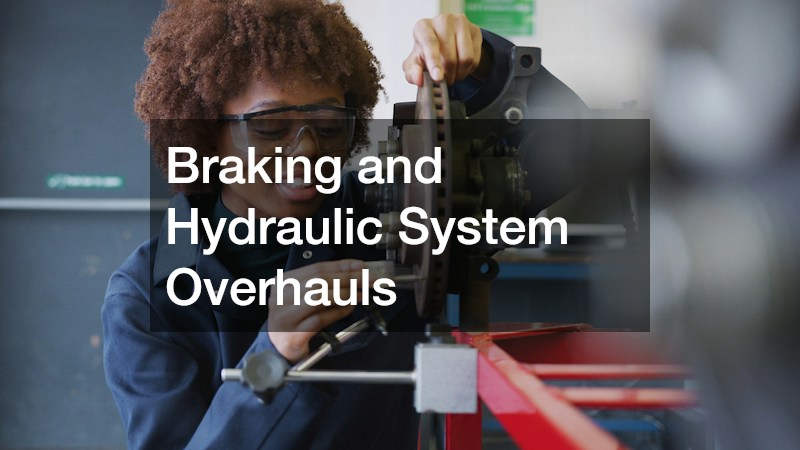
A vehicle involved in a severe crash or left sitting in a salvage yard for extended periods will almost certainly suffer from deteriorated braking components. Physical impacts can bend brake calipers, kink hard lines, or crack rubber hydraulic hoses. Rust accumulation on unpainted brake rotors during storage can render them unsafe for immediate use, requiring resurfacing or total replacement to maintain consistent stopping power.
Flushing Impure Hydraulic Fluid and Testing Power Assist
Moisture absorption is a primary silent failure mode in hydraulic braking systems, especially for sitting vehicles. Condensation degrades fluid quality, lowering its boiling point and causing internal corrosion within the anti-lock braking system module. A thorough hydraulic flush paired with comprehensive brake repair services ensures that pedal feel remains firm, air bubbles are purged from the lines, and the emergency power assist responds instantly during hard braking maneuvers.
Suspension and Steering System Reconstruction
Identifying Bent Control Arms and Damaged Struts
Impacts with curbs, other vehicles, or road debris often push shock loads directly through the wheel assembly into the suspension geometry. Bent control arms, sheared ball joints, and leaking struts are common collateral damage in salvage cars. Replacing these components as matched sets across the axle prevents uneven dampening, unpredictable handling, and severe steering wheel vibration at cruising speeds.
Replacing Worn Steering Mechanisms and Perform Alignments
After swapping out visibly damaged hardware, the entire steering system—including tie rod ends, rack-and-pinion assemblies, and power steering pumps—must be checked for binding or internal fluid bypass. Executing necessary suspension repairs involves not only mounting new hardware, but also placing the car on an advanced computer alignment rack to set caster, camber, and toe angles back to original factory tolerances.
Engine Diagnostics and Fluid Management
Performing Complete Fluid Swaps and Filter Replacements
When a salvage car has been immobilized for months or involved in a rollover, fluid migration can cause severe mechanical damage upon startup. Fluid levels must be checked for oil contamination by coolant or fuel dilution before turning the ignition key. Performing a complete oil change alongside new fuel, air, and cabin air filters clears out sitting debris, lubricates dry bearings, and prevents immediate engine scoring.
Diagnosing Electrical Harness Damage and Fault Codes
Modern engine bays are dense networks of sensors, wiring harnesses, and control modules. Even a light front-end collision can pinch wiring harnesses, crack sensor housings, or fracture plastic intake manifolds. Mechanics must scan the engine control unit for diagnostic trouble codes, trace torn wires, and replace damaged oxygen, mass air flow, or camshaft position sensors to restore smooth engine idle and proper fuel metering.
Transmission and Drivetrain Maintenance
Evaluating Fluid Conditions and Internal Wear
Transmissions are highly sensitive to sudden stops, loss of cooling fluid, or prolonged non-use. Draining the pan to check for metallic debris or burnt fluid provides instant insight into internal clutch wear or gear damage. Ordering a dynamic inspection and fluid exchange from a specialist in transmission repair guarantees that torque converters, valve bodies, and internal seals function smoothly without slippage or delayed gear engagement.
Inspecting Driveshafts, Axles, and Differentials
Impact force can transfer through the driven wheels straight into drive axles and constant velocity joints. Cracks in rubber CV boots allow dirt to enter, accelerating joint failure, while bent driveshafts induce high-frequency vibrations that ruin pinion seals and transfer case bearings. Replacing damaged axle shafts and re-greasing joints ensures power reaches the road without unexpected mechanical binding.
Electrical System and Module Diagnostics
Clearing Fault Codes and Resetting Airbag Systems
Safety systems deploy during significant impacts, firing supplemental restraint modules, seatbelt pretensioners, and curtain airbags. Restoring a salvage car to legal road use requires installing replacement airbag modules and resetting or replacing the central restraint control unit. This ensures that the passive safety system is fully active, self-testing correctly, and capable of protecting occupants in future travel.
Repairing Damaged Lighting and Exterior Signals
Collision damage often destroys expensive headlight housings, fog lights, and rear tail lamp assemblies. Sourcing factory-style replacement lenses and verifying that all wiring harnesses deliver correct voltage is critical for night visibility and passing state safety checks. Upgrading or replacing cracked lenses prevents moisture intrusion from shorting out expensive LED or HID control units.
Wheel and Tire Safety Audits
Checking Rims for Structural Micro-Fractures
Aluminum alloy wheels subjected to impact loads can suffer hidden hairline cracks or subtle bends along the inner barrel. Placing wheels on a balancing machine reveals radial runout that causes persistent highway vibration. Any wheel exhibiting structural micro-fractures must be replaced immediately, as cracked alloy rims can fail catastrophically under cornering loads.
Replacing Aged or Flat-Spotted Tires
Vehicles parked outdoors in salvage yards endure harsh temperature shifts and prolonged static loads, causing permanent flat spots in tire treads. Furthermore, dry rot can weaken sidewalls even if the tread depth appears adequate. Fitting a set of high-quality tires ensures proper grip, efficient water evacuation, and maximum braking efficiency for your restored vehicle.
Exhaust and Emission Control Repairs
Replacing Damaged Catalytic Converters and Piping
Low-slung exhaust pipes, mufflers, and delicate catalytic converters often scrape or crush during accidents or towing operations. Cracks in the exhaust manifold or broken flange seals leak toxic carbon monoxide into the cabin and trip check engine lights. Replacing crushed piping and restoring sealed exhaust flow maintains proper backpressure and keeps emissions within environmental standards.
Testing Evaporative Emission Systems
The evaporative emission control system prevents gasoline vapors from escaping into the atmosphere. Salvage vehicles frequently suffer from cracked charcoal canisters, broken vent valves, or ruptured plastic vacuum lines near the fuel tank. Pressure testing the system isolates small leaks that impair fuel economy and prevent the vehicle from passing mandatory state inspection programs.
Interior Safety and Comfort Overhauls
Cleaning Mold, Debris, and Contaminated Fabrics
Salvage cars often sit in yards with broken windows or bent door frames, allowing rain, snow, and pests to enter the interior. Removing seats, lifting carpets, and treating floor pans with disinfectant prevents mold growth and eliminates foul odors. Thorough deep-cleaning protects occupant health and restores a comfortable interior environment.
Fixing Power Accessories and Climate Control Components
Damage to dash structures can dislodge climate control ducting, blow heater cores, or pinch power window wiring. Testing window regulators, door lock actuators, air conditioning compressors, and heater valves guarantees that everyday cabin features operate reliably during extreme weather conditions.
Navigating Administrative and Practical Steps
Sourcing Quality Parts and Expert Services
Restoring a salvage vehicle requires a balance between hands-on DIY work and professional assistance for specialized tasks like frame pulling or paint matching. Partnering with a reliable auto garage ensures access to specialized tools and diagnostic gear that home mechanics often lack. For complex systems like alignments, module programming, or safety certifications, turning to local auto repair services saves time and prevents costly mistakes. Building a relationship with a trustworthy local auto repair shop provides an invaluable safety net when diagnosing tricky driveability or electrical issues.
Understanding Title Rebranding and Insurance Coverage
Transforming a vehicle from a salvage designation to a fully legal rebuilt title requires meeting rigorous state inspection criteria. Inspector documentation must show that all replacement parts were legally acquired and that structural, safety, and mechanical systems are fully functional. Once the rebuilt title is issued, securing comprehensive auto insurance can sometimes present unique challenges, as insurers carefully evaluate the vehicle’s history before offering collision or comprehensive coverage limits.
Comprehensive Quality Control and Road Testing Protocol
Conducting Rigorous Static Leak and System Inspections
Before taking a newly restored vehicle onto public roads, performing a static quality audit eliminates simple oversight errors that could lead to catastrophic mechanical failures. Mechanics must pressurize the cooling system to check for subtle pinhole leaks in newly installed radiators, verify that brake lines maintain constant pressure under heavy foot load, and inspect all steering linkages under load. Ensuring that electrical grounds are securely fastened to bare metal frames prevents intermittent sensor dropouts, while double-checking all torque specifications on critical chassis fasteners guarantees that replaced control arms and subframes remain securely locked in place under severe dynamic forces.
Executing Controlled Dynamic Test Drives and Post-Drive Re-Inspections
Initial road testing should begin in an enclosed, low-speed environment to evaluate low-speed steering return, initial brake pedal bite, and transmission shift quality without exposing the vehicle to high-risk traffic scenarios. As confidence in the build grows, progressive high-speed highway testing helps identify subtle wind leaks, driveshaft imbalances, or tracking issues that only manifest at elevated speeds. Immediately following each test drive, placing the vehicle back on a lift allows technicians to check fluid levels, inspect fresh paint and body seams for unexpected flexing, and verify that no hidden fluid leaks have developed under thermal expansion, confirming the car is truly ready for daily service.
Restoring a salvage car is a demanding journey that requires patience, technical competence, and meticulous attention to detail. By systematically inspecting, repairing, and certifying each major automotive system—from the structural frame to the braking and electrical networks—you can turn a discarded total loss into a safe, reliable, and high-value vehicle for years of dependable driving.