
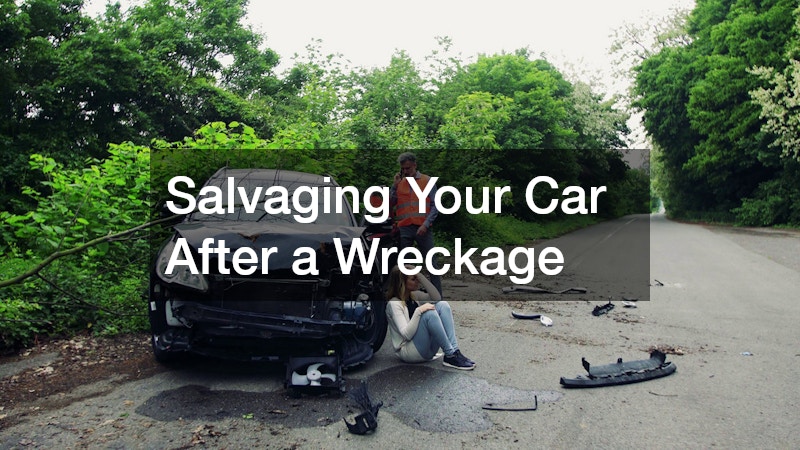
The aftermath of a major vehicle collision is often a whirlwind of adrenaline, confusion, and high-stakes decision-making. Once the dust settles and everyone is safe, you are faced with a mechanical and financial puzzle: what happens to the car? Salvaging a vehicle after a wreck is a multi-stage journey that moves from the side of the highway to the adjuster’s desk, and finally into the hands of specialized technicians. Whether you aim to restore your car to its former glory or ensure you receive the maximum possible settlement for a total loss, navigating this path requires a strategic understanding of logistics, law, and automotive engineering.
I. Immediate Scene Management and Vehicle Removal
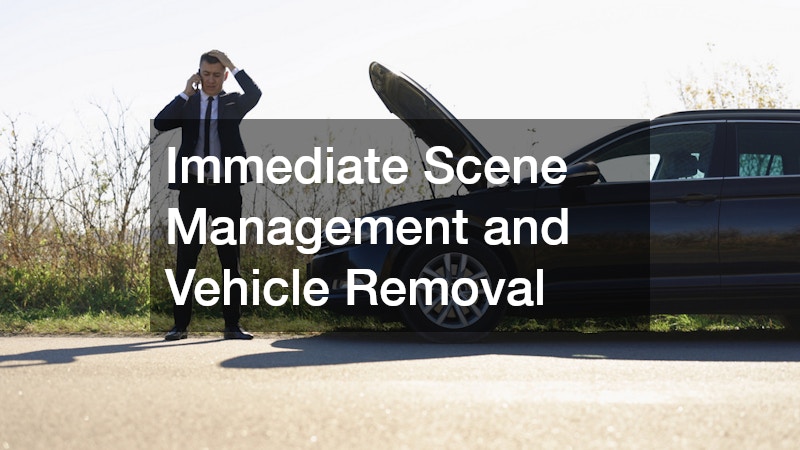
The very first decisions you make at the scene of an accident can significantly impact the ultimate “salvageability” of your car. If the vehicle is not drivable due to fluid leaks, wheel misalignment, or deployed airbags, it must be removed professionally to avoid further mechanical strain.
Choosing the Right Transport Method
Not all methods of transport are equal. If your vehicle has an all-wheel-drive (AWD) system or has suffered damage to the suspension, a traditional hook-and-chain lift can cause irreversible damage to the drivetrain. When you call for a towing service, specifically request a flatbed truck. This ensures all four wheels are off the ground, preventing the transmission from spinning without lubrication—a common cause of secondary damage that insurance adjusters may refuse to cover
Avoiding “Storage Traps”
In the chaos of a wreck, it is easy to let the driver take your car to whatever lot they recommend. However, many wrecker services have partnerships with impound lots that charge exorbitant daily storage fees. To maintain control over your salvage process, follow these tips:
-
Specify the destination: Have the car towed directly to your preferred repair facility or your own property if you have the space.
-
Inventory the vehicle: Before it leaves the scene, remove all personal electronics, documents, and valuables.
-
Photographic evidence: Take photos of the car as it is being loaded onto the truck to prove its condition before transport.
II. Evaluating Insurance and Legal Recovery
Once the vehicle is secured, the battle moves to the financial front. This stage determines who pays for the repairs and how much your car is actually worth in its damaged state.
Deciphering Your Coverage
Your ability to salvage the car is dictated largely by the fine print of your car insurance policy. In 2026, many policies include specific “Total Loss” clauses that trigger when repair costs exceed roughly 75% of the vehicle’s actual cash value. If you intend to keep and repair a “totaled” car, you will need to negotiate a “first-party buyback,” where the insurer pays you the settlement minus the car’s predicted scrap value.
Protecting Your Financial Interests
If the accident was caused by another party, your recovery involves more than just a repair bill. Insurance companies often try to settle quickly for the lowest possible amount. Engaging car accident lawyers early in the process can help you navigate “diminished value” claims. Even if a car is perfectly repaired, its history of wreckage makes it worth significantly less on the open market. A legal professional ensures that this loss in future resale value is factored into your final settlement.
III. Structural Integrity and Precision Bodywork
If you proceed with repairs, the focus shifts to the “bones” of the vehicle. Modern cars are engineered with sophisticated “unibody” structures designed to crumple in specific ways to protect passengers.
Restoring the Frame
Structural damage isn’t always visible to the naked eye. A slight shift in the unibody can lead to doors that don’t seal, wind noise, and—most importantly—compromised safety in a future accident. When you take your vehicle to a local auto body shop, ensure they use computerized frame-measuring systems. These systems use lasers to compare your car’s current dimensions against factory specifications with millimeter precision, ensuring the “skeleton” is perfectly straight.
The Quality of the Finish
The aesthetics of a salvage project are about more than just looks; they are about longevity. High-quality auto body repairs involve more than just slapping on some filler and paint. Look for shops that:
-
Use Original Equipment Manufacturer (OEM) panels rather than cheaper aftermarket alternatives.
-
Apply corrosion-resistant primers to prevent rust from forming behind new paint.
-
Offer a lifetime warranty on the paint and structural work performed.
IV. Ensuring Mechanical Safety Post-Repair
A car can look brand new but still be a rolling hazard if the mechanical systems aren’t vetted. The force of a collision sends shockwaves through every fluid line and rotating component in the vehicle.
Validating Stopping Power
The braking system is often compromised by impact forces that can pinch hydraulic lines or cause internal damage to the ABS modulator. A comprehensive brake repair and inspection should be the first item on your mechanical checklist. Technicians should check for:
-
Brake line integrity: Looking for microscopic leaks caused by the vehicle’s frame shifting.
-
Sensor calibration: Ensuring the Electronic Stability Control (ESC) and ABS sensors are communicating correctly with the car’s computer.
Addressing Drivetrain Shock
The sudden stop of a collision can be devastating to the internal gears of your car. If the car was in gear during the impact, you might need a specialized transmission repair diagnostic. Even if the car shifts normally during a short test drive, internal stresses can lead to premature failure months down the line. A technician should check the transmission mounts and fluid for metal shavings that indicate internal gear damage.
V. Safety Clearances and Documentation
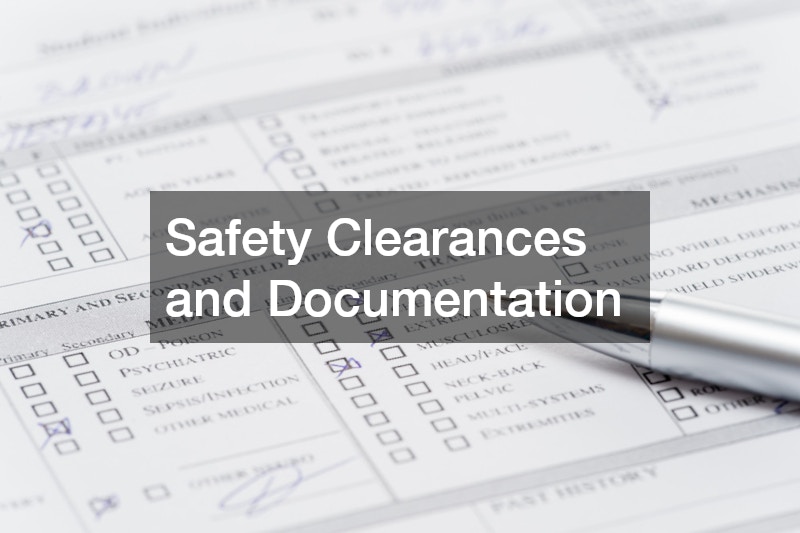
The final stage of salvaging a car involves returning it to a roadworthy state and documenting the work for future use.
Handling the “Contact Points”
Your tires and wheels take the brunt of an accident’s energy. Even if the rubber looks intact, the internal steel belts could be separated. Visit reputable tire shops to have your wheels checked for “runout” (warping) and to ensure your tires are balanced. A car with even a slightly bent rim will vibrate at high speeds, putting undue stress on your new suspension and steering components.
Securing Long-Term Liability
If the wreckage resulted in injuries, your salvage process isn’t truly over until the legal side is closed. A personal injury lawyer can help you coordinate your medical recovery and your vehicle’s mechanical recovery. They ensure that any mechanical defects discovered during the repair process—such as a failed airbag or a faulty seatbelt pretensioner—are documented, as these could lead to additional claims against the manufacturer.
Managing the Rebuilt Title Process
If your insurance company officially totaled the car and you chose to keep it, the vehicle will likely be issued a “Salvage Title.” To drive it legally, you must go through the “Rebuilt Title” process:
-
Document everything: Keep every receipt from the body shop and part suppliers.
-
State Inspection: Most states require a rigorous safety inspection to ensure the car meets all road standards.
-
Re-Insurance: Be aware that many insurers will only offer liability coverage on a rebuilt title vehicle, as the inherent value is difficult to determine.
VI. Advanced Digital Recalibration and ADAS Logic
In 2026, a car is as much a rolling computer as it is a mechanical machine. Modern vehicles are equipped with Advanced Driver Assistance Systems (ADAS) that rely on a sophisticated network of cameras, radar, and ultrasonic sensors. When a vehicle undergoes significant structural work, these digital components must be meticulously synchronized with the physical repairs.
Restoring the Digital Safety Net
Even a minor bumper replacement can misalign a radar sensor by a fraction of a degree, rendering your automatic emergency braking or lane-keep assist systems unreliable or even dangerous. High-quality facilities now include a “digital health check” as a mandatory part of their post-accident procedure. Technicians use specialized diagnostic tablets to ensure the car’s central processing unit recognizes all new hardware and that the sensors are “pointing” exactly where the factory intended.
Addressing Hidden Electrical Stress
Impacts can cause “soft codes” in the vehicle’s electrical bus—errors that don’t immediately trigger a dashboard light but can lead to long-term issues. During the restoration process, it is vital to:
-
Scan the Communication Bus: Check for interruptions in the wiring harness that could cause intermittent sensor failures.
-
Verify Battery Health: High-voltage surges during a collision or long periods of dormancy during repairs can degrade the battery, particularly in hybrid or electric models.
-
Update Firmware: Ensure all safety modules are running the latest manufacturer software to account for any recalls issued during the time your car was out of commission.
VII. Interior Integrity and Cabin Safety Systems
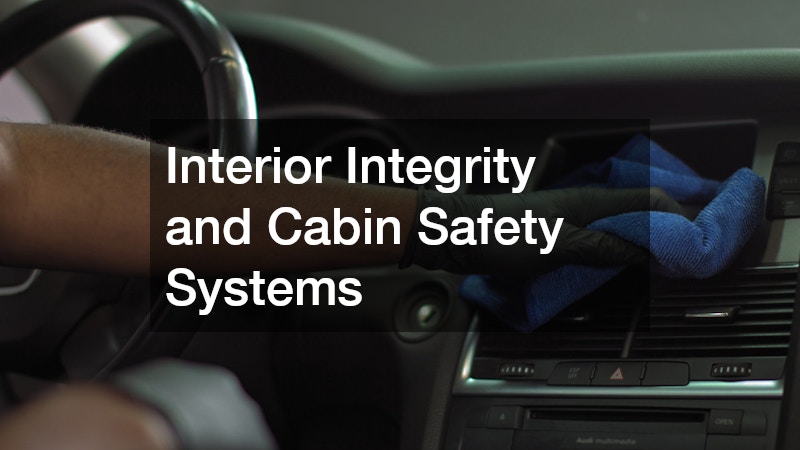
While much of the salvage focus remains on the exterior and the engine bay, the interior of the car requires equal attention. The cabin is designed to be a survival cell, and its components are often “one-time use” items that must be replaced with surgical precision.
Replacing Passive Restraints
If your airbags deployed, the repair process involves more than just tucking in new nylon bags. The entire deployment system—including impact sensors, clock springs, and the Supplemental Restraint System (SRS) control module—must typically be replaced. Furthermore, modern seatbelts use pyrotechnic “pretensioners” that lock the belt during a crash. Once fired, these mechanisms are useless and must be swapped out to ensure passenger safety in future incidents.
Sanitize and Deodorize
Wreckages often involve broken glass, deployed airbag dust (cornstarch or talcum powder), and potentially biohazardous materials. Professional salvage involves:
-
Deep Extraction Cleaning: Removing fine glass shards from upholstery and carpets that can cause skin irritation or respiratory issues.
-
HVAC Sanitization: Cleaning the air ducts to remove the acrid smell of airbag chemicals or stagnant moisture if the car was exposed to the elements while awaiting repair.
-
Dashboard Inspection: Checking for cracks or warped plastic near deployment zones that could interfere with the structural integrity of the passenger-side airbag.
VIII. Assessing Long-Term Reliability and Fluid Integrity
Before you consider the salvage process truly complete, you must look beyond the immediate road test. A major collision introduces extreme thermal and kinetic stress to the vehicle’s closed systems, which can lead to “delayed” failures if not addressed during the final restoration phase.
Monitoring for Micro-Leaks
The vibration and impact of a wreckage often create hairline fractures in cooling components and fluid reservoirs that only expand under high pressure. Technicians should perform a cooling system pressure test to ensure no internal leaks are present. It is also critical to inspect the heat exchangers; if transmission fluid and engine coolant mix due to an internal radiator fracture—often called a “strawberry milkshake” failure—the entire drivetrain could be ruined within miles of leaving the shop.
Final Dynamics and Aerodynamic Testing
A salvaged car should feel identical to its pre-crash state at highway speeds. This requires a final check of the underbody panels and wheel well liners. If these components are loose or missing, they can cause:
-
Excessive Wind Noise: Indicating air is entering gaps that should be sealed.
-
Lift at High Speeds: Affecting the car’s downforce and stability.
-
Poor Fuel Economy: Due to disrupted airflow around the damaged areas.
The journey of salvaging a car after a wreck is undeniably arduous. It requires a transition from the immediate crisis of the crash site to the meticulous detail of the repair shop and the strategic negotiations of the legal office. However, by understanding the roles of the various professionals involved—from the initial recovery team to the specialized mechanical technicians—you can navigate this complex landscape with confidence. Whether you are aiming to preserve a sentimental vehicle or simply trying to recover your financial footing after a disaster, a methodical, informed approach is your best tool for success.
Ultimately, the decision to salvage is as much about safety as it is about economics. By staying involved in every stage—from the initial removal to the final sensor calibration—you ensure that your vehicle remains a reliable asset rather than a lingering liability. While the road to recovery may be long, the peace of mind that comes from a high-quality, documented restoration is invaluable. Trust the process, lean on the expertise of seasoned professionals, and remember that a well-managed salvage operation is the most effective way to turn a traumatic event into a fresh start on the open road.