
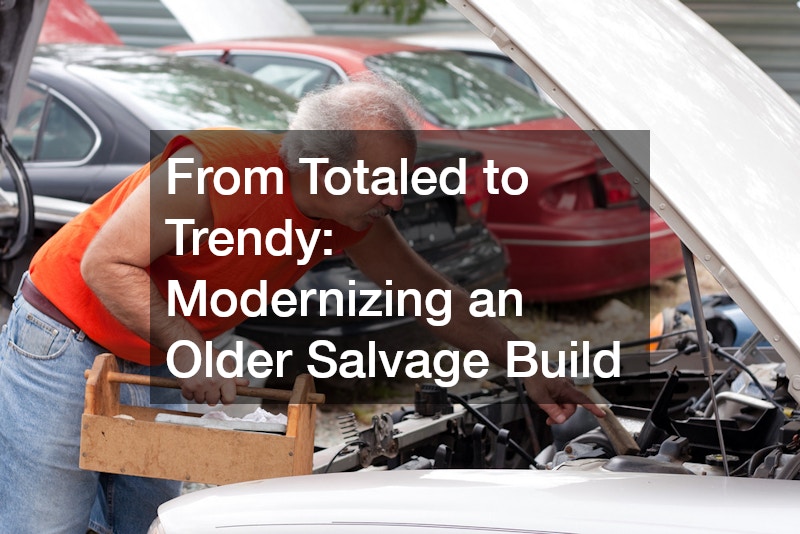
There’s a certain kind of buyer who looks at a salvage title and sees opportunity where others see risk. With new car prices still elevated and inventory at mainstream dealerships feeling increasingly generic, more automotive enthusiasts and budget-conscious buyers are turning to salvage and rebuilt title vehicles as a path to something custom, capable, and genuinely their own. The appeal is real: you can acquire a vehicle with strong bones at a fraction of its pre-damage market value, then invest selectively in bringing it back to life on your own terms.
But the gap between a promising salvage find and a finished build that’s safe, legal, reliable, and visually impressive is wider than most first-timers expect. The sequence of decisions you make, the professionals you choose, and the order in which you tackle repairs all determine whether this project becomes a source of pride or a financial sinkhole. Done right, a salvage build is one of the most rewarding projects in the automotive world. Done without a plan, it’s an expensive education.
Understand the Full Scope of the Build Before You Spend a Dollar

The single most expensive mistake salvage builders make is starting work before they fully understand what they’re working with. Excitement is understandable, but purchasing parts, booking paint, or planning upgrades before a complete assessment is a reliable path to wasted money and rework. Your first move should always be a comprehensive evaluation of the vehicle’s actual condition, not its potential condition.
Taking the vehicle to a trusted auto repair shop for a full pre-build inspection is the smartest first investment you can make. A qualified shop will evaluate the engine, transmission, suspension, electrical systems, and drivetrain with diagnostic tools that go far beyond a visual walkthrough. They can identify deferred mechanical issues, functional flag components, but near the end of life, and give you a realistic picture of what the vehicle will need before it’s road-ready. That inspection report becomes the foundation of your entire build plan and budget.
Structural integrity is a separate and equally critical evaluation. A professional collision repair assessment goes beyond mechanical systems to examine the frame, unibody, panel gaps, and alignment geometry that determine whether the vehicle is genuinely safe to rebuild and drive. Many salvage vehicles carry hidden structural damage that wasn’t fully addressed during a previous repair attempt, and that damage affects everything from how body panels fit to how the vehicle handles in an emergency maneuver. A clean collision repair assessment gives you confidence in the platform. A problematic one gives you the information you need to walk away before you’re further invested.
Before committing to any build, get clear answers on the following:
- Is the frame or unibody straight, or does it show evidence of unrepaired deformation?
- Are there any active fluid leaks, and if so, from which systems?
- What is the condition of the cooling system, belts, and hoses?
- Are there any stored diagnostic trouble codes, and what do they indicate?
- What is the realistic cost to bring all mechanical systems to a reliable baseline?
Prioritize Safety Systems Before Cosmetic Upgrades
Once you have a clear picture of the vehicle’s condition, the temptation to jump straight into appearance upgrades is strong. Resist it. Safety systems come first, not because it’s the exciting part of the build, but because cosmetic work done on a vehicle with compromised safety components is money that may need to be undone or worked around later. Sequence matters enormously in a salvage build.
Brake repairs are the first mechanical priority to address on any rebuilt vehicle with an uncertain service history. Salvage vehicles often sat for extended periods before or after their damage event, and brake components deteriorate with time and moisture exposure just as they do with use. Calipers can seize, brake lines can corrode internally, rotors can develop deep rust pitting, and brake fluid absorbs moisture over time in ways that significantly reduce stopping performance. A complete brake system inspection and rebuild, replacing whatever doesn’t meet specification, is a baseline requirement before the vehicle turns a wheel under its own power.
Auto glass repair is the second safety priority that salvage builders frequently underestimate. A cracked or improperly seated windshield is not simply a cosmetic issue. The windshield is a structural component of the vehicle’s cabin, contributing to roof crush resistance and providing the backing surface for passenger-side airbag deployment. A compromised windshield can fail to support the roof in a rollover and can cause an airbag to deploy incorrectly in a frontal collision. Beyond structural function, visibility standards are a legal requirement for road use, and many salvage vehicles arrive with windshields that won’t pass inspection in their current state.
Key safety system checks to complete before any cosmetic work begins:
- Full brake system inspection, including lines, hoses, master cylinder, and parking brake
- Tire condition and age, including the spare
- Steering and suspension components for wear, damage, or misalignment
- All exterior lighting for function and lens condition
- Seatbelts for proper retraction, latching, and webbing integrity
- Airbag system status and whether any modules require replacement or resetting
Know When to Go to a Specialist vs. a General Shop
Not every shop is the right shop for every vehicle or every stage of your build. One of the most common and costly errors in salvage builds is assuming that any competent mechanic can handle any car. The type of vehicle you’re rebuilding should drive your professional choices just as much as the type of work being done.
If your salvage build is a European make, working with a shop that specializes in European auto repair is not a preference — it’s a practical necessity. German, Swedish, British, and Italian vehicles often use proprietary diagnostic systems, manufacturer-specific software, and components with tighter engineering tolerances than their domestic or Japanese counterparts. A shop without the right diagnostic tools may be unable to read fault codes accurately, and a shop without experience in the specific platform may misdiagnose issues or use incompatible parts. Specialists also tend to have established relationships with the right parts suppliers, which matters when you’re sourcing components for an older or less common model.
For body work, paint preparation, and panel finishing, finding a reliable local auto body service that has experience with salvage and rebuilt title vehicles specifically is worth the extra research time. Not every body shop wants to work on salvage builds, and not every shop that will take the work has experience managing the unique challenges these vehicles present, including mismatched panel gaps, previous filler work, and inconsistent paint layers from prior repairs. A shop that regularly handles rebuilt title vehicles will set more accurate expectations, sequence their work more efficiently, and deliver results that hold up over time.
Handle the Legal and Insurance Side Early in the Process
The administrative side of a salvage build is easy to defer, but doing so creates real problems. Insurance, registration, and legal roadworthiness requirements vary by state and can significantly affect your build timeline and budget if they surface late in the process rather than early.
Connecting with a local insurance agent who has experience with rebuilt title vehicles should happen well before the build is complete. Coverage options for salvage and rebuilt title cars are more limited than for clean title vehicles, and not every insurer will write a comprehensive policy on a rebuilt title regardless of the quality of the restoration. An agent who understands this market can help you identify carriers who specialize in rebuilt vehicles, advise you on what documentation the insurer will require, and help you understand what the vehicle will realistically be insurable for once the build is finished. That conversation is far more useful at the planning stage than at the finish line.
Lockout assist and roadside protection coverage are practical additions for any rebuilt vehicle that’s still working through post-build quirks. Older vehicles, especially those that have been through a damage and repair cycle, sometimes carry electrical gremlins that affect key fob programming, ignition systems, or door lock actuators. Adding lockout assist to your policy or roadside plan costs very little and provides meaningful peace of mind during the period when you’re still learning the vehicle’s personality and ironing out any remaining issues.
Transform the Exterior Into Something That Turns Heads
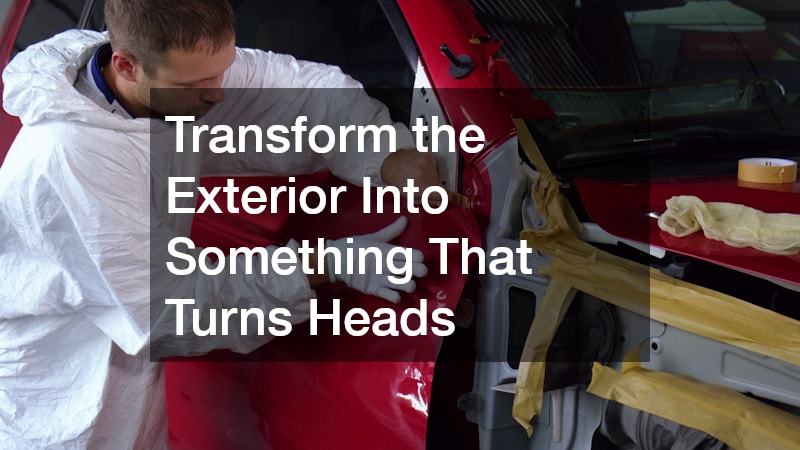
Once the mechanical foundation is solid, safety systems are sorted, and the legal groundwork is in place, the exterior transformation is where a salvage build shifts from a project into a statement. This is the stage most builders look forward to, and with good planning, it’s where the vehicle’s personality really takes shape.
Vinyl wrap has become one of the most popular exterior finishing choices for salvage builds, and for good reason. It offers a level of customization that factory paint simply can’t match, with thousands of colors, finishes, and textures available at a cost significantly lower than a quality custom paint job. For salvage vehicles specifically, wrap has an additional practical advantage: it covers minor surface imperfections, shallow scratches, and inconsistent paint texture that are common in vehicles with repair histories without requiring the extensive body prep that a high-quality respray demands. A professionally installed wrap also protects the underlying paint and can be removed cleanly if you want to change the look down the road.
Auto tinting services are the finishing touch that ties together both the aesthetics and the practicality of a completed build. Quality window tint gives a vehicle a polished, intentional look that elevates even a modest exterior finish. Beyond appearance, professionally applied tint blocks a significant percentage of UV radiation, which protects your interior surfaces, dashboard, and upholstery from the fading and cracking that sun exposure causes over time. For a salvage build where the interior may already show some age, UV protection is especially valuable. Choose a shop that uses high-quality ceramic or carbon film and can confirm compliance with your state’s legal tint limits.
Budget Smart: How to Sequence Repairs for Maximum ROI

A salvage build without a structured budget is a project waiting to go sideways. The enthusiasm that drives people into these builds can also drive them into a pattern of reactive spending — buying parts as inspiration strikes, booking work out of sequence, and discovering mid-project that earlier decisions need to be undone. A deliberate budget and a clear repair sequence prevent most of the financial pain that salvage causes, a bad reputation.
The sequencing principle is straightforward: structural integrity first, mechanical systems second, cosmetic work last. Any deviation from this order risks wasting money. Paint done before bodywork is fully settled will show imperfections. Interior work done before mechanical systems are finalized gets disturbed during subsequent repairs. Cosmetic investments made before the vehicle is confirmed safe and legal are essentially decorating a foundation you haven’t inspected.
How to build a budget that holds:
- Get itemized written estimates from every professional before work begins, not after
- Build a contingency of at least 15 to 20 percent into the total budget for discoveries
- Separate the budget into three phases: structural and safety, mechanical baseline, cosmetic and finishing
- Track actual spend against estimates in each phase before authorizing the next
- Identify which upgrades are wants versus needs and assign them to a separate discretionary line
- Resist purchasing appearance parts until the mechanical phase is signed off as complete
A salvage build done right is one of the most satisfying projects in the automotive world. You start with something most people passed over, and you finish with something entirely your own — mechanically sound, visually distinctive, and built with a level of intentionality that no dealership purchase can replicate. The process demands patience, planning, and a willingness to invest in the right professionals at the right stages, but the result is a vehicle with a story and a level of personal value that goes well beyond its market price.
The key takeaways are straightforward. Assess before you spend. Fix what’s dangerous before you fix what’s visible. Choose specialists who know your platform. Handle insurance and legal requirements early. And when it’s finally time to finish the exterior, invest in materials and professionals who will make the transformation last. Start with a full inspection, map out your build sequence, and treat every dollar as a deliberate decision. That mindset is what separates a head-turning finished build from an unfinished project collecting dust in a garage.