
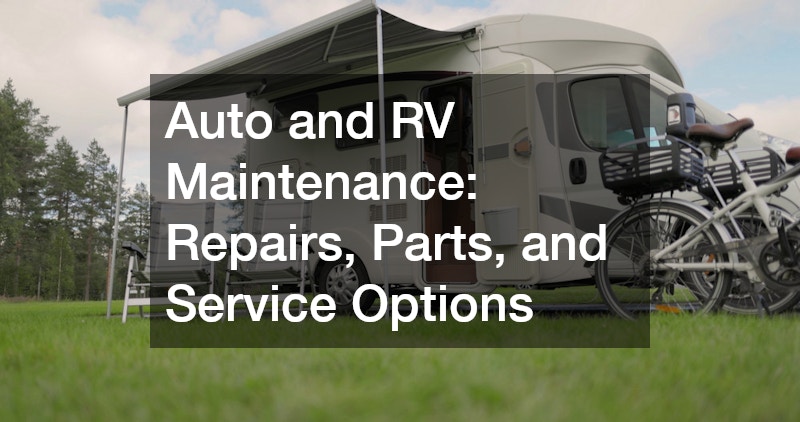
Whether you rely on a daily driver for your regular commutes to work and running errands or own a recreational vehicle (RV) for embarking on long, adventurous road trips, maintaining your vehicle properly is of utmost importance. This practice not only ensures that your vehicle remains safe on the road and functions reliably but also proves to be cost-effective in the long run. Many vehicle owners might not realize just how swiftly minor issues can spiral into major, expensive repairs if regular upkeep is overlooked. Every component of your vehicle, from the braking system which can become worn over time to the complex systems within an RV that gradually age, needs to be checked and serviced at appropriate intervals to prevent serious breakdowns.
Auto and RV maintenance is not limited to addressing problems as they arise – it is primarily about heading off potential issues before they escalate. Having a thorough understanding of the mechanical workings of your vehicle allows you to recognize the early warning signs of wear and tear or mechanical failures. Moreover, being knowledgeable about the right time to consult a professional can save you from incurring high repair costs and significantly extend the operational lifespan of your precious automotive investment.
This comprehensive guide delves into the critically important facets of maintaining both cars and RVs. It covers a wide range of topics including how to manage repairs effectively, what to consider when selecting replacement parts, devising strategic maintenance schedules, and finding the most capable professionals who can tackle your vehicle’s servicing needs with competence and expertise. By empowering yourself with this knowledge, you can ensure that your vehicle remains a loyal and long-lasting companion on all your journeys.
Start with Routine Inspections to Catch Issues Early
Routine inspections are the foundation of effective vehicle maintenance. By identifying potential problems early, you can avoid costly repairs and unexpected breakdowns.
Visiting an auto repair shop regularly allows professionals to assess your vehicle’s overall condition. They can spot issues that may not be visible to the average driver, such as worn belts, fluid leaks, or early signs of engine trouble.
For RV owners, scheduling consistent rv service is just as important. Unlike standard vehicles, RVs have additional systems—such as plumbing, electrical, and HVAC—that require regular checks.
A strong inspection routine should include:
- Checking fluid levels and replacing them as needed
- Inspecting tires for wear and proper inflation
- Examining belts and hoses for cracks or damage
- Testing lights, signals, and battery performance
For RVs, inspections should also cover:
- Water systems and tanks
- Electrical hookups and wiring
- Roof seals and exterior seams
Creating a maintenance calendar can help you stay on track. Whether it’s every few months or before a long trip, consistent inspections are one of the easiest ways to extend the life of your vehicle and avoid major issues.
Understand the Most Common Mechanical Repairs
Mechanical issues are inevitable over time, but understanding the most common problems can help you address them quickly and effectively.
One of the most critical systems in any vehicle is the braking system. Auto brake repair is essential for maintaining safety, as worn brake pads or damaged components can significantly reduce stopping power.
A professional brake repair service typically includes:
- Replacing brake pads and rotors
- Inspecting brake lines and fluid levels
- Checking calipers and other components
Signs that you may need brake repairs include:
- Squeaking or grinding noises
- Vibrations when braking
- Longer stopping distances
- A soft or spongy brake pedal
Beyond brakes, other common mechanical issues include:
- Engine misfires or performance issues
- Transmission problems
- Suspension wear affecting ride quality
Ignoring these issues can lead to more extensive damage and higher repair costs. Addressing them early ensures your vehicle remains safe and reliable.
Address Exterior Damage to Protect Your Investment
While mechanical performance is crucial, the exterior condition of your vehicle also plays a significant role in its value and longevity.
Dents, scratches, and rust can worsen over time if left untreated. Visiting an auto body shop allows you to restore your vehicle’s appearance and prevent further damage.
This is especially important if you plan to sell or trade in your vehicle. The condition of your car’s exterior can significantly impact how much buyers are willing to pay for used cars.
Common exterior services include:
- Dent and scratch repair
- Paint touch-ups or full repainting
- Rust removal and prevention
- Panel replacement
Maintaining your vehicle’s exterior isn’t just about appearance—it also protects against environmental damage. Addressing issues early helps preserve both aesthetics and structural integrity.
Know When to Repair vs Replace Parts
One of the most common dilemmas vehicle owners face is deciding whether to repair or replace a component. Making the right choice can save money and prevent recurring issues.
A trusted auto repair shop can help evaluate whether a part can be repaired or if replacement is the better option. Factors to consider include:
- Cost of repair vs replacement
- Age and condition of the part
- Likelihood of future failure
For RV owners, managing rv parts and repairs can be more complex due to the variety of systems involved. Components like water pumps, electrical systems, and appliances may require specialized parts.
General guidelines:
- Repair when the issue is minor and the part is relatively new
- Replace when the part is worn out or nearing the end of its lifespan
- Consider long-term reliability, not just short-term savings
Making informed decisions about parts ensures better performance and fewer unexpected breakdowns.
Maintain Your RV Systems Beyond the Engine
RVs require a different level of maintenance compared to standard vehicles. In addition to the engine and drivetrain, they include living systems that must be properly maintained.
Regular rv service ensures that these systems function correctly and safely. This includes:
- Plumbing systems for water supply and drainage
- Electrical systems for power and appliances
- Heating and cooling systems for comfort
Finding reliable local rv repair professionals is essential for handling these specialized systems. Unlike standard mechanics, RV technicians are trained to work on the unique components found in recreational vehicles.
Important maintenance tasks include:
- Checking for leaks in plumbing systems
- Inspecting electrical connections and batteries
- Cleaning and sealing the roof to prevent water damage
Proper care of these systems ensures your RV remains comfortable and functional during trips.
Evaluate Buying Used Vehicles and RVs Carefully
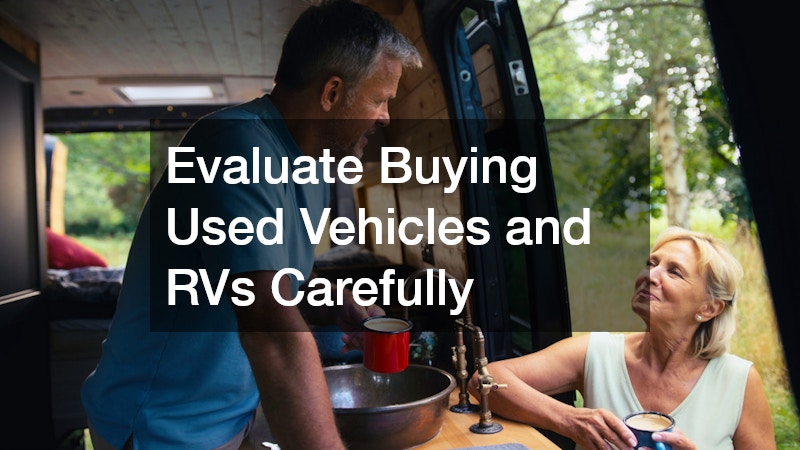
Purchasing pre-owned vehicles can be a smart financial decision, but it requires careful evaluation to avoid costly surprises.
When considering a used rv, it’s important to inspect both the mechanical and living systems. Look for:
- Signs of water damage or leaks
- Condition of appliances and fixtures
- Maintenance history
Similarly, when evaluating used cars, pay close attention to:
- Mileage and overall condition
- Service records
- Signs of previous accidents
A thorough inspection can help you identify potential issues before making a purchase.
Tips for buying used:
- Request a full maintenance history
- Have the vehicle inspected by a professional
- Test drive under different conditions
Taking these steps helps ensure you’re making a sound investment.
Plan Preventive Maintenance to Avoid Major Repairs
Preventive maintenance is one of the most effective ways to reduce long-term costs and avoid unexpected breakdowns.
For example, scheduling regular brake repair service ensures your braking system remains in top condition and prevents more serious issues.
Keeping track of rv parts and repairs is equally important for RV owners. Regular maintenance of key systems helps prevent failures during trips.
A preventive maintenance plan should include:
- Regular oil changes and fluid checks
- Tire rotations and inspections
- Brake system evaluations
- Seasonal checks for RV systems
Benefits of preventive maintenance:
- Lower repair costs over time
- Improved vehicle performance
- Increased safety and reliability
Staying proactive allows you to address issues before they become major problems.
Choose the Right Professionals for Repairs and Service

Finding the right professionals is essential for quality maintenance and repairs. Not all service providers offer the same level of expertise.
When selecting an auto body shop, look for:
- Certified technicians
- Positive customer reviews
- Transparent pricing
For RV owners, choosing reliable local rv repair specialists ensures your vehicle receives proper care. These professionals understand the unique requirements of RV systems.
Questions to ask before hiring:
- What certifications do your technicians have?
- Do you offer warranties on repairs?
- How long will the service take?
Working with experienced professionals ensures your vehicle is maintained to a high standard.
Understand Costs and Budget for Maintenance
Maintenance costs can vary widely depending on the type of vehicle and the services required. Planning ahead helps you avoid financial surprises.
Regular visits to an auto repair shop should be factored into your budget. Routine maintenance is generally more affordable than major repairs.
For RV owners, ongoing rv service costs may include:
- System inspections
- Appliance maintenance
- Seasonal preparation
Budgeting tips:
- Set aside funds for routine maintenance
- Plan for unexpected repairs
- Compare service providers for competitive pricing
Being financially prepared allows you to handle maintenance without stress.
Keep Records and Stay Organized for Long-Term Value
Keeping detailed maintenance records is one of the simplest yet most valuable steps you can take as a vehicle owner. These records serve as a comprehensive log that documents all the services and repairs your vehicle has undergone over time. Not only do these records help in maintaining the health and longevity of your vehicle, but they also provide several other significant benefits.
Moreover, these records are incredibly helpful when diagnosing issues with your vehicle. When you or a mechanic needs to understand why a problem has arisen, having a history of all past maintenance and repairs allows for a quicker and potentially more accurate diagnosis. This not only saves time but can also reduce diagnostic costs and result in more efficient repair work.
Another key benefit of detailed maintenance records is related to the resale value of your vehicle. When you decide to sell your vehicle, prospective buyers will be interested in its history to ensure they are making a wise investment. Being able to present a complete and organized history of the maintenance performed on the vehicle can provide assurances to the buyer about its condition and reliability. This can even enable you to command a higher price for your vehicle.
For RV owners, maintaining records for a used rv can significantly increase its resale value. Buyers are more likely to trust a vehicle with a documented history.
Ways to stay organized:
- Keep physical copies of receipts and service records
- Use digital apps to track maintenance schedules
- Record dates and details of each service
Benefits of good record-keeping:
- Easier maintenance tracking
- Higher resale value
- Improved reliability
Staying organized helps you get the most out of your vehicle over time.
Maintaining your car or RV involves a thoughtful and strategic process that includes regular inspections, timely repairs, and making well-informed decisions regarding upkeep. Vehicles, whether they are cars or recreational vehicles, are intricate machines composed of numerous interconnected systems. These systems depend on each other to deliver a seamless and safely orchestrated driving experience. Conducting regular inspections is an absolute necessity, as they enable you to detect potential faults or issues before they escalate into significant problems that demand costly repairs. This proactive approach to vehicle maintenance undoubtedly diminishes the risk of unexpected breakdowns and the subsequent need for expensive interventions at a later stage. By gaining a comprehensive understanding of how critical systems such as the engine, brakes, transmission, and electrical components function, you are not only better prepared to troubleshoot minor issues, but you are also empowered with the knowledge to make informed decisions about whether repairs or upgrades are truly necessary.
Whether you’re managing the routine demands of daily driving or preparing for the rigors of long road trips, investing time and resources into the proper care and maintenance of your vehicle is tremendously valuable. This proactive investment not only ensures that your vehicle remains safe and roadworthy under various conditions, but it also enhances its overall efficiency, which can lead to significant savings on fuel costs over time and a reduction in general wear and tear. Be it navigating through busy daily commutes or embarking on expansive cross-country adventures, a well-maintained vehicle assures you of its readiness and reliability, providing peace of mind with every journey. Moreover, keeping up with regular maintenance and addressing issues as they arise is indeed an investment in the longevity, reliability, and performance of your vehicle for the many years to follow.